

Many founders appear highly capable externally.
They make decisions quickly.
Handle pressure calmly.
Lead teams confidently.
However, behind the scenes, leadership responsibility often creates significant emotional and mental strain.
As businesses grow, founders frequently become responsible for:
- financial sustainability
- strategic direction
- staffing decisions
- organisational performance
- operational risk
Over time, this responsibility can create increasing founder isolation and decision pressure.
Because leadership often becomes lonelier as complexity grows.
Founders may feel unable to discuss:
- uncertainty
- emotional pressure
- strategic doubts
- personal exhaustion
openly.
Without healthy support structures, this isolation frequently affects:
- resilience
- decision-making quality
- emotional wellbeing
- long-term leadership sustainability
As organisational pressure increases, founders often require stronger reflection, perspective and emotional resilience than they initially expected.
For a broader overview of confidential leadership support, see When Should a Founder Seek Confidential Personal Support?
Leadership Responsibility Often Becomes Emotionally Heavy
Many founders underestimate the emotional weight of leadership initially.
In early stages, pressure may feel energising and motivating.
However, over time, constant responsibility often creates cumulative strain involving:
- uncertainty
- emotional fatigue
- mental overload
- sustained stress
Because founders are usually expected to remain composed externally, many suppress these pressures privately.
This often increases emotional isolation significantly over time.
Founders Frequently Lack Safe Reflection Spaces
One major challenge founders face is the absence of trusted reflective conversation.
Founders may hesitate discussing vulnerability with:
- employees
- investors
- clients
- even close family members
They may fear appearing:
- uncertain
- weak
- emotionally overwhelmed
- indecisive
As a result, many founders carry leadership pressure internally for extended periods.
This isolation often weakens perspective and emotional resilience gradually.
For more insight into trusted leadership reflection and perspective, see What Does a Personal Advisor Do?

Decision Fatigue Often Develops Gradually
Founders frequently make high volumes of decisions continuously.
This may involve decisions around:
- staffing
- finances
- operations
- clients
- organisational direction
Initially, founders often adapt well to this responsibility.
However, sustained decision pressure frequently creates:
- mental exhaustion
- reduced clarity
- slower thinking
- emotional reactivity
Over time, this can weaken judgement and leadership consistency significantly.
Many founders continue functioning outwardly while privately becoming increasingly exhausted mentally.
Isolation Can Affect Strategic Thinking
Leadership isolation does not only affect emotional wellbeing.
It can also weaken strategic decision-making.
Founders operating under prolonged pressure often become:
- reactive
- mentally overloaded
- operationally consumed
- strategically fragmented
Without reflection and perspective, businesses may gradually drift into:
- short-term thinking
- inconsistent priorities
- reactive decisions
- emotional leadership patterns
Trusted support and reflective conversation often help leaders regain clarity significantly.
For more insight into long-term strategic reflection, see Long-Term Personal Strategic Planning.
Emotional Suppression Often Increases Burnout Risk
Many founders believe they must remain constantly strong and composed.
As a result, they may suppress:
- stress
- emotional fatigue
- uncertainty
- personal frustration
for prolonged periods.
Unfortunately, emotional suppression often increases:
- burnout risk
- emotional exhaustion
- leadership fatigue
- reduced resilience
Healthy leadership sustainability requires reflection rather than constant emotional suppression.
For more insight into leadership resilience and sustainability, see Building Emotional Resilience.
Leadership Pressure Often Intensifies During Growth
Growth phases frequently increase emotional and strategic complexity simultaneously.
For example:
Founders may face:
- hiring pressure
- cash flow concerns
- organisational restructuring
- scaling uncertainty
all at the same time.
This combination often creates intense mental load.
Without healthy support systems, founders may become increasingly overwhelmed operationally and emotionally.
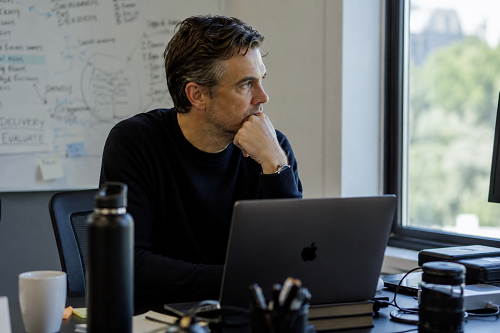
Research from the University of Cambridge Judge Business School has explored how founder stress and leadership isolation influence executive decision-making and organisational sustainability.
Trusted Perspective Improves Decision Quality
Many founders make stronger decisions when they have access to trusted reflection and independent perspective.
Confidential support relationships often help founders evaluate:
- assumptions
- priorities
- emotional reactions
- strategic risks
more objectively.
This reflective process frequently improves:
- judgement
- emotional discipline
- strategic clarity
- leadership confidence
Over time, these improvements strengthen organisational leadership considerably.
Leadership Loneliness Is More Common Than Many Assume
Many successful founders privately experience loneliness despite appearing highly capable externally.
This often happens because leadership responsibility creates emotional separation from others operationally and psychologically.
Founders may feel:
- misunderstood
- isolated
- emotionally unsupported
- mentally overloaded
without expressing it openly.
Recognising this reality is important because leadership isolation is extremely common rather than unusual.
For more insight into leadership isolation and emotional wellbeing, see Leadership Loneliness.
Sustainable Leadership Requires Reflection
Long-term leadership requires more than endurance alone.
Without reflection and support, founders often experience:
- emotional depletion
- reduced perspective
- strategic inconsistency
- reactive decision-making
Healthy leadership sustainability usually involves:
- reflection
- emotional awareness
- trusted perspective
- recovery space
These practices help leaders remain clearer and more resilient over time.
For more insight into sustainable leadership practices, see Preventing Executive Burnout.
Founders Benefit from Confidential Support Structures
Many experienced leaders intentionally build confidential support networks involving:
- mentors
- advisors
- coaches
- trusted peers
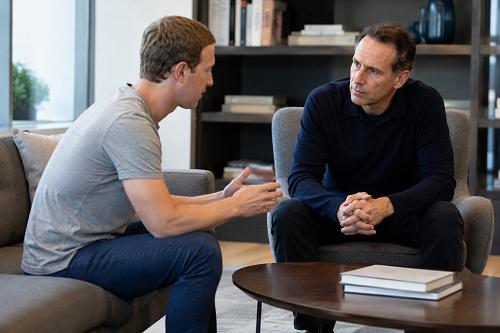
These relationships help leaders process pressure more constructively rather than carrying everything internally.
Strong support structures often improve:
- resilience
- confidence
- clarity
- long-term leadership sustainability
This support becomes increasingly valuable as organisational responsibility grows.
Research from MIT Management Sloan School has also explored how reflective leadership practices and emotional resilience improve executive effectiveness and organisational performance.
How Founder Isolation Connects with Broader Leadership Support
Founder isolation and decision pressure often overlap with:
- personal advisory
- executive coaching
- emotional resilience
- leadership development
- strategic reflection
Understanding these overlaps helps founders build healthier support systems as organisational complexity increases.
In more advanced situations, leaders may also benefit from broader support through Personal Advisory for Business Leaders.
Final Thoughts
So, why does founder isolation and decision pressure matter?
Because leadership pressure affects more than operational performance alone.
Without healthy reflection and support, prolonged pressure often weakens:
- resilience
- clarity
- judgement
- emotional sustainability
Ultimately, founders lead more effectively when they build trusted support structures that help them navigate complexity with greater perspective, resilience and long-term emotional balance.