
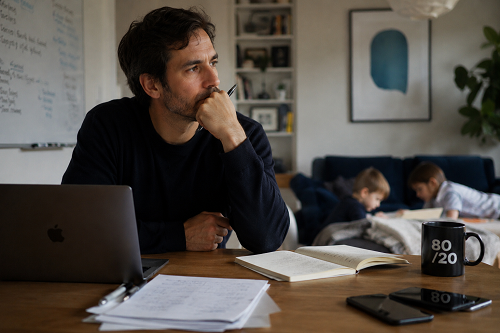
Many founders willingly accept high levels of business risk.
They invest time.
Energy.
Money.
Reputation.
In many cases, this willingness to take calculated risks helps businesses grow successfully.
However, as organisations scale, founders often begin carrying not only business risk, but also increasing personal risk simultaneously.
This may involve:
- emotional pressure
- financial exposure
- family strain
- health impact
- personal exhaustion
Over time, balancing these pressures can become increasingly difficult.
This is why many leaders eventually begin exploring the challenge of balancing business risk with personal risk more intentionally.
Because sustainable leadership requires more than commercial ambition alone.
It also requires protecting:
- resilience
- emotional wellbeing
- long-term judgement
- personal sustainability
- decision-making quality
As responsibility increases, leaders often need stronger awareness of how business pressure affects their personal lives and long-term effectiveness.
For a broader overview of founder pressure and emotional sustainability, see Leadership Loneliness.
Business Growth Often Increases Personal Pressure
Many founders initially focus almost entirely on organisational success.
This is understandable.
Early-stage businesses often require intense commitment involving:
- long hours
- financial uncertainty
- operational pressure
- emotional resilience
However, over time, sustained pressure frequently affects:
- relationships
- health
- emotional wellbeing
- mental clarity
Many founders continue operating despite these pressures because responsibility feels unavoidable.
Unfortunately, prolonged imbalance often weakens both personal wellbeing and leadership effectiveness gradually.
Personal Risk Is Often Less Visible
One challenge with personal risk is that it often develops quietly.
Business risks are usually easier to identify because they involve:
- financial reports
- operational problems
- strategic performance
- measurable outcomes
Personal strain, however, may emerge gradually through:
- exhaustion
- emotional fatigue
- stress
- declining resilience
Because these pressures are less visible, many founders ignore them for extended periods.
This frequently increases long-term risk significantly.

Emotional Exhaustion Can Affect Decision-Making
Founders operating under prolonged pressure often experience increasing emotional fatigue.
This may weaken:
- judgement
- concentration
- emotional discipline
- strategic clarity
Leaders may become:
- reactive
- mentally overloaded
- emotionally depleted
- operationally consumed
without recognising the full impact immediately.
Over time, emotional exhaustion frequently reduces decision-making quality significantly.
For more insight into emotional resilience and sustainable leadership, see Building Emotional Resilience.
Financial Risk Can Become Personally Stressful
Many founders carry significant personal financial exposure during growth.
This may involve:
- personal guarantees
- cash flow pressure
- investment risk
- income instability
Although founders often accept these risks willingly, sustained financial uncertainty can create considerable emotional strain over time.
Without healthy support and perspective, financial pressure frequently increases:
- anxiety
- stress
- emotional fatigue
- reactive decision-making
Balancing ambition with personal sustainability therefore becomes increasingly important.
Relationships Often Experience Secondary Pressure
Business pressure rarely affects founders alone.
Family members and close relationships often experience secondary impact through:
- reduced availability
- emotional fatigue
- stress spillover
- limited recovery time
Many founders underestimate how significantly organisational pressure can influence personal relationships over time.
Healthy leadership sustainability therefore usually requires stronger awareness of relational wellbeing alongside organisational growth.
For more insight into sustainable leadership and personal resilience, see When Should a Founder Seek Confidential Personal Support?
Leaders Often Ignore Their Own Sustainability
One common pattern among founders is prioritising business needs ahead of personal sustainability continuously.
Leaders may postpone:
- rest
- reflection
- recovery
- emotional support
because operational demands always feel urgent.
However, ignoring personal sustainability frequently increases:
- burnout risk
- emotional exhaustion
- reduced resilience
- leadership inconsistency
Long-term leadership effectiveness requires protecting the leader as well as the organisation.
Research from the American Psychological Association has explored how chronic stress and sustained pressure affect decision-making, emotional resilience and executive performance over time.
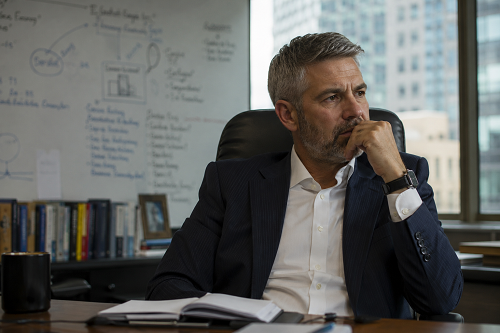
Reflection Helps Leaders Evaluate Risk More Clearly
Many founders become heavily focused on immediate operational demands.
This can reduce perspective around:
- long-term sustainability
- emotional wellbeing
- personal priorities
- leadership resilience
Trusted reflection and support often help founders evaluate risks more objectively.
This may involve reconsidering:
- workload intensity
- leadership boundaries
- decision-making habits
- recovery patterns
These reflections frequently improve leadership clarity significantly.
For more insight into reflective leadership practices, see Long-Term Personal Strategic Planning.
Sustainable Leaders Protect Long-Term Capacity
Strong leadership is not simply about working harder continuously.
Sustainable leaders often intentionally protect:
- energy
- clarity
- emotional resilience
- recovery capacity
This usually improves:
- judgement
- communication
- strategic thinking
- long-term performance
Importantly, sustainable leadership benefits organisations as well as individuals.
Businesses often become healthier when leaders maintain stronger personal resilience.
Personal Support Structures Reduce Long-Term Risk
Many experienced leaders intentionally build support systems involving:
- advisors
- mentors
- coaches
- trusted peers
These relationships often help leaders process pressure more constructively.
Without trusted support, founders may gradually become:
- emotionally isolated
- mentally overloaded
- strategically reactive
- exhausted
Healthy support structures therefore reduce both personal and organisational risk over time.
For more insight into leadership isolation and emotional pressure, see Founder Isolation and Decision Pressure.
Sustainable Businesses Require Sustainable Leaders
Businesses cannot remain healthy indefinitely if leadership sustainability deteriorates continuously.
Long-term organisational resilience often depends heavily on:
- founder wellbeing
- emotional resilience
- decision-making quality
- strategic clarity
Protecting leadership sustainability therefore becomes a strategic priority rather than purely a personal issue.
Research from the World Economic Forum has also explored how executive wellbeing, resilience and sustainable leadership practices influence organisational performance and long-term business stability.
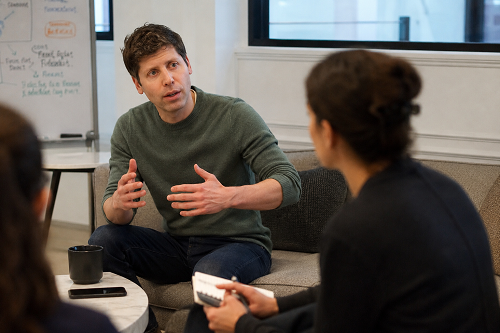
How Personal and Business Risk Connect with Broader Leadership Development
Balancing business risk with personal risk often overlaps with:
- personal advisory
- executive coaching
- emotional resilience
- leadership development
- strategic reflection
Understanding these overlaps helps founders build healthier long-term leadership structures as organisational complexity increases.
In more advanced situations, leaders may also benefit from broader support through Personal Advisory for Business Leaders.
Final Thoughts
So, why does balancing business risk with personal risk matter?
Because sustained leadership pressure affects more than organisational performance alone.
Without healthy balance, prolonged pressure often weakens:
- resilience
- clarity
- emotional wellbeing
- leadership sustainability
Ultimately, founders lead more effectively when they protect both organisational growth and personal sustainability simultaneously rather than sacrificing one entirely for the other.