

Many founders spend years building strategic plans for their businesses.
They focus on:
- growth targets
- operational systems
- financial performance
- market expansion
- organisational strategy
However, despite investing heavily in business planning, many leaders spend very little time planning intentionally for their own long-term personal sustainability.
This is why long-term personal strategic planning becomes increasingly important as leadership responsibility grows.
Because sustainable leadership requires more than organisational strategy alone.
It also requires intentional planning around:
- personal wellbeing
- emotional resilience
- long-term purpose
- identity
- leadership sustainability
Without this broader perspective, many leaders gradually become:
- emotionally exhausted
- strategically reactive
- disconnected from personal priorities
- vulnerable to burnout
As businesses scale, founders often need stronger reflection around the life they want to build alongside the organisations they lead.
For a broader overview of identity and sustainable leadership, see Managing Identity Beyond the Business.
Many Leaders Operate Reactively for Too Long
One major challenge for founders is constant operational pressure.
Leaders often become consumed by:
- urgent decisions
- staffing demands
- financial pressure
- client expectations
Over time, this operational intensity frequently leaves little space for intentional reflection.
As a result, many leaders drift into reactive living patterns where business demands continuously dictate:
- priorities
- energy
- relationships
- lifestyle
without long-term personal evaluation.
Strategic personal planning helps leaders regain perspective and direction more intentionally.
Personal Sustainability Requires Intentional Planning
Businesses usually require long-term strategy to remain healthy.
The same principle often applies to leadership sustainability.
Without intentional planning, leaders may gradually neglect:
- emotional wellbeing
- relationships
- physical health
- personal identity
- long-term purpose
Initially, these sacrifices may appear manageable.
However, prolonged imbalance often weakens resilience significantly over time.
Personal strategic planning therefore helps leaders build healthier long-term foundations beyond operational performance alone.
Strategic Reflection Improves Decision-Making
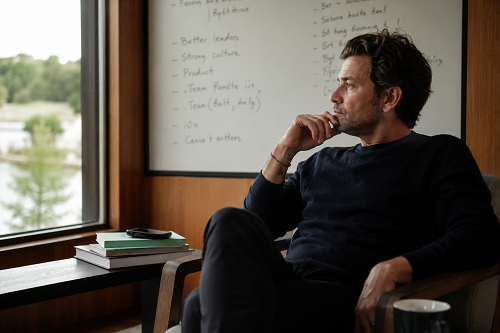
Many leaders make stronger decisions when they regularly step back from operational pressure.
Strategic reflection often helps founders evaluate:
- priorities
- direction
- emotional patterns
- leadership sustainability
more objectively.
Without reflection, leaders frequently become:
- reactive
- emotionally overloaded
- operationally consumed
- strategically fragmented
Personal strategic planning creates space for calmer and more intentional thinking.
This usually improves long-term judgement significantly.
For more insight into reflective leadership and perspective, see What Does a Personal Advisor Do?
Long-Term Planning Often Includes Identity Reflection
As leadership responsibilities increase, many founders eventually begin questioning:
- “What do I want long term?”
- “Who am I outside the business?”
- “What kind of life am I building?”
These questions often become increasingly important during:
- growth phases
- leadership transitions
- burnout periods
- succession planning
Long-term personal strategic planning helps leaders explore these questions more intentionally rather than postponing them indefinitely.
Emotional Resilience Benefits from Long-Term Thinking
Leaders operating under constant short-term pressure often experience:
- emotional fatigue
- reduced clarity
- mental exhaustion
- decision overload
Long-term perspective frequently improves emotional resilience because leaders become less consumed by immediate operational stress.
This broader outlook often strengthens:
- patience
- emotional discipline
- perspective
- long-term confidence
Over time, these capabilities improve leadership sustainability considerably.
For more insight into emotional resilience development, see Building Emotional Resilience.
Relationships Need Strategic Attention Too
Many leaders unintentionally neglect relationships while pursuing organisational success.
Over time, operational intensity may reduce attention given to:
- family
- friendships
- personal connection
- recovery time
Long-term personal planning helps leaders evaluate whether current habits align with:
- personal values
- long-term wellbeing
- relationship priorities
This often improves emotional balance significantly.
Research from the Gottman Institute has explored how sustained stress and work pressure influence emotional wellbeing, relationships and long-term personal resilience.

Long-Term Planning Reduces Reactive Leadership
Founders operating without long-term perspective often become heavily reactive operationally.
This may create:
- emotional decision-making
- inconsistent priorities
- exhaustion
- strategic drift
Long-term planning helps leaders clarify:
- boundaries
- priorities
- future direction
- personal sustainability goals
This usually improves consistency and leadership discipline significantly.
Sustainable Leaders Protect Recovery and Perspective
Many high-performing founders continuously prioritise productivity over recovery.
However, sustainable leadership often requires protecting:
- rest
- reflection
- perspective
- emotional recovery
Leaders who intentionally maintain these foundations often strengthen:
- resilience
- strategic thinking
- emotional balance
- long-term performance
This approach usually supports healthier organisational leadership as well.
Planning Helps Leaders Navigate Transitions
Long-term personal planning becomes especially valuable during periods involving:
- organisational growth
- leadership change
- succession planning
- personal uncertainty
- business exits
These transitions often create both strategic and emotional complexity simultaneously.
Intentional reflection helps leaders navigate these periods with greater clarity and confidence.
For more insight into leadership transitions and sustainability, see Advisory During Exit Planning.
Trusted Reflection Often Strengthens Long-Term Clarity
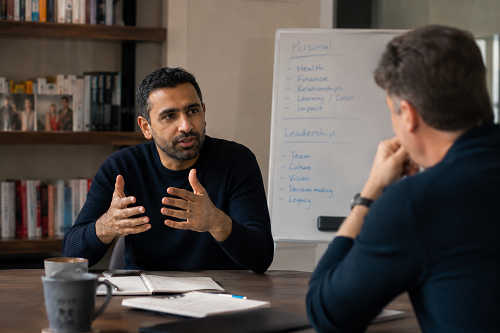
Many leaders benefit significantly from trusted conversations involving:
- advisors
- mentors
- coaches
- reflective peers
These relationships often help founders evaluate:
- assumptions
- priorities
- emotional patterns
- future direction
more objectively.
Strong reflection frequently improves:
- clarity
- resilience
- confidence
- long-term sustainability
Research from the NeuroLeadership Institute has also explored how reflective thinking, emotional awareness and long-term perspective improve leadership effectiveness and executive resilience.
How Long-Term Personal Planning Connects with Broader Leadership Development
Long-term personal strategic planning often overlaps with:
- personal advisory
- executive coaching
- emotional resilience
- leadership development
- identity reflection
Understanding these overlaps helps leaders create healthier and more sustainable long-term leadership structures.
In more advanced situations, leaders may also benefit from broader support through Personal Advisory for Business Leaders.
Final Thoughts
So, why does long-term personal strategic planning matter?
Because sustainable leadership requires intentional direction beyond organisational performance alone.
Without long-term reflection, leaders often become vulnerable to:
- burnout
- emotional exhaustion
- reactive thinking
- identity imbalance
Ultimately, founders lead more sustainably when they intentionally plan not only for business growth, but also for personal wellbeing, resilience and long-term life direction.