

Risk is an unavoidable part of business.
Every investment, growth initiative, partnership and strategic decision carries some degree of uncertainty. Entrepreneurs and business leaders often accept this reality because risk is frequently associated with opportunity and growth.
Many decisions also involve personal risk. Financial security, family relationships, wellbeing, lifestyle goals and future aspirations can all be affected by choices made within the business. While leaders often focus heavily on commercial considerations, personal consequences sometimes receive less attention.
Balancing business risk with personal risk helps leaders make more informed decisions and pursue sustainable success without sacrificing what matters most outside the organisation.
For a broader understanding of confidential leadership support, see our guide to Personal Advisory for Business Leaders.
Business Decisions Often Have Personal Consequences
Many founders and business owners view business and personal life as separate areas.
In reality, the two are often closely connected. A decision to expand aggressively may require increased personal financial commitment. A business acquisition may create additional stress and time demands. A new venture may affect family priorities and lifestyle choices.
These consequences do not necessarily mean the decision is wrong. However, they highlight the importance of evaluating business opportunities through a broader lens.
Founders navigating significant decisions may also find our article Founder Isolation and Decision Pressure helpful.
Personal Risk Is Not Just Financial
When people think about personal risk, financial concerns are often the first consideration.
While financial exposure is important, personal risk extends much further. Health, wellbeing, relationships, reputation and quality of life can all be affected by leadership decisions.
For example, a business strategy that appears financially attractive may also increase stress, reduce family time or create long-term lifestyle challenges. Similarly, avoiding business opportunities due to fear may limit both professional and personal fulfilment.
Understanding these broader dimensions helps leaders make decisions that align with their overall goals rather than focusing exclusively on short-term financial outcomes.

Sustainable Success Requires Balance
Many leaders are highly skilled at evaluating business opportunities.
Market conditions, competitive positioning, financial forecasts and operational implications are often analysed carefully. Yet personal priorities may not receive the same level of attention.
Sustainable success requires balance. Growth should support long-term wellbeing rather than undermine it. Likewise, personal goals should be considered alongside business ambitions.
Research from the Harvard Business Review has highlighted the importance of aligning professional ambitions with personal values and long-term wellbeing.
Trusted Advisors Can Provide Perspective
Balancing business and personal risk is often difficult when leaders are under pressure.
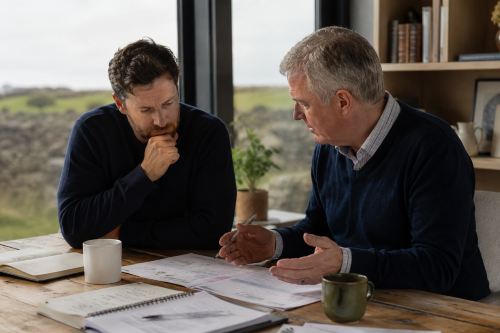
Emotional investment, uncertainty and competing priorities can make objective evaluation challenging. A trusted advisor can help leaders step back and assess decisions more comprehensively.
These discussions may explore financial implications, lifestyle considerations, family priorities, leadership responsibilities and long-term aspirations. The goal is not to eliminate risk but to ensure decisions reflect the full picture.
Business owners evaluating long-term priorities may also find our article Long-Term Personal Strategic Planning helpful.
Final Thoughts
Business leaders face decisions that often extend far beyond commercial outcomes. While business risk is an important consideration, personal risk deserves equal attention.
Financial security, wellbeing, family relationships and future aspirations all influence what sustainable success looks like for each individual. Leaders who evaluate both dimensions are often better equipped to make decisions that align with their broader goals.
Balancing business risk with personal risk is not about avoiding opportunity. It is about ensuring growth and success remain consistent with the life the leader ultimately wants to create.
Looking for an Independent Perspective?
Important decisions often involve more than financial forecasts and business objectives. Personal priorities, family considerations and long-term aspirations may be equally significant.
An experienced advisor can help you evaluate opportunities and risks from both business and personal perspectives. The objective is to support thoughtful decision-making that aligns with your professional ambitions and personal goals.
Learn more about our Private Advisory services and discover how we help founders, business owners and senior leaders navigate important decisions with greater clarity, balance and confidence.
FREQUENTLY ASKED QUESTIONS
What is personal risk in business leadership?
Personal risk in business leadership refers to the potential consequences that business decisions may have on a leader’s personal life. These consequences can affect financial security, physical and mental wellbeing, family relationships, reputation and future opportunities. Understanding personal risk helps leaders evaluate decisions more comprehensively and avoid unintended negative outcomes.
Why should leaders consider personal risk?
Leaders should consider personal risk because business decisions rarely affect the organisation alone. Strategic choices can influence stress levels, family commitments, financial stability and overall quality of life. By evaluating personal risk alongside commercial risk, leaders can make more balanced decisions that support both business success and long-term personal wellbeing.
Is personal risk only about money?
No. Personal risk extends far beyond financial considerations. It may include impacts on physical health, emotional wellbeing, family relationships, professional reputation, lifestyle choices and future aspirations. A decision that appears financially beneficial may still create significant personal challenges, making it important to assess all potential consequences before proceeding.
How can leaders balance business and personal risk?
Leaders can balance business and personal risk by evaluating the wider implications of major decisions before taking action. This involves considering financial outcomes alongside wellbeing, relationships, lifestyle and long-term goals. Seeking objective advice and reflecting on personal priorities can help leaders make decisions that support sustainable success in all areas.
Can a personal advisor help with risk-related decisions?
Yes. A personal advisor can provide an independent perspective when leaders face complex decisions involving both business and personal considerations. By exploring potential consequences, clarifying priorities and identifying risks that may otherwise be overlooked, advisors help leaders make informed choices that align with their values, goals and circumstances.