

Many professionals spend years building successful careers only to realise something feels missing.
The work may provide financial rewards, recognition and achievement, yet there can still be a sense of disconnection or uncertainty. Questions such as “Is this what I truly want?” or “Does my work have meaning?” often emerge during these moments.
These questions are not signs of failure.
Instead, they often indicate a desire for greater purpose and alignment. Discovering purpose at work involves understanding how your strengths, values and aspirations connect with the work you do every day.
For business leaders, this process can lead to greater fulfilment, stronger motivation and more intentional decision-making.
For a broader understanding of meaningful leadership and fulfilment, see our guide to Life Purpose for Business Leaders.
Purpose Begins with Self-Understanding
Discovering purpose often starts with understanding yourself.
Many people focus on external achievements without taking time to reflect on what genuinely matters to them. Purpose becomes clearer when individuals explore their values, strengths, interests and motivations.
Questions such as what energises you, what challenges inspire you and what contribution you want to make can provide valuable insight.
The goal is not to find perfect answers immediately but to develop greater awareness of what creates meaning and fulfilment.
This self-understanding provides a foundation for identifying purposeful work.
Leaders seeking a broader understanding of meaning and fulfilment may also find our article What Is Life Purpose? helpful.
Values Often Provide Important Clues
Personal values play a significant role in determining whether work feels meaningful.
When work aligns with deeply held values, individuals often experience greater satisfaction and engagement. When there is a mismatch, frustration and disconnection can emerge even when external success is present.
Identifying core values can therefore help clarify purpose.
Leaders who understand what matters most to them are often better equipped to make career decisions that support both professional achievement and personal fulfilment.
Purpose frequently emerges where values and actions align.
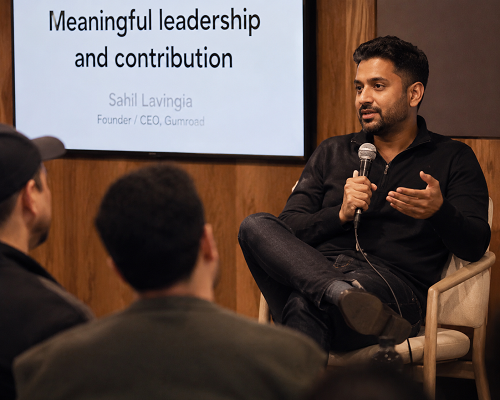
Purpose Is Often Connected to Contribution
Many people discover purpose through the impact they create.
While financial rewards remain important, purpose often becomes stronger when individuals recognise how their work benefits others. This contribution may involve helping customers, supporting employees, solving problems or creating positive change.
Understanding how your work influences others can provide a deeper sense of meaning.
Leaders who focus on contribution often find greater motivation because their efforts are connected to outcomes beyond personal gain.
This broader perspective frequently strengthens engagement and fulfilment.
Research from the ResearchGate at the University of California, Berkeley highlights how purpose and contribution contribute to wellbeing, resilience and life satisfaction.
Purpose Can Change Throughout Your Career
Many people assume purpose is something they discover once and never revisit.
In reality, purpose often evolves as individuals gain experience, encounter new opportunities and move through different stages of life. What felt meaningful ten years ago may differ from what feels meaningful today.
This evolution is both natural and healthy.
Rather than searching for a single permanent answer, leaders benefit from regularly reflecting on whether their work remains aligned with their values and aspirations.
Purpose becomes more sustainable when it adapts alongside personal growth.
Leaders exploring career alignment may also find our article What to Do If You Feel Misaligned with Your Career? helpful.

Final Thoughts
Discovering purpose at work is not about finding a perfect job or achieving a specific milestone. It is about understanding what creates meaning, fulfilment and direction in your professional life.
By exploring personal values, recognising strengths and focusing on contribution, leaders can develop a stronger sense of purpose that supports both success and satisfaction.
For many business leaders, purpose becomes the foundation for more intentional decisions, greater resilience and long-term fulfilment.
Ready to Create More Meaning in Your Work?
Purpose often emerges when leaders take time to reflect on what truly matters and how they want to contribute. Greater clarity can lead to stronger decisions, deeper fulfilment and a more meaningful career.
An experienced advisor can help you explore your values, identify your strengths and create a vision for work that aligns with your purpose and aspirations.
Learn more about our Private Advisory services and discover how we help business leaders, founders and executives create purposeful careers and meaningful lives.
FREQUENTLY ASKED QUESTIONS
How do I discover my purpose at work?
Discovering purpose at work begins with understanding your values, strengths, interests and the impact you want to make. Reflecting on the activities that energise you and the contributions that feel most meaningful can provide valuable insights. Purpose often becomes clearer over time through experience, self-awareness and intentional career choices.
Can purpose change during a career?
Yes. Purpose often evolves as people gain experience, encounter new challenges and reassess what matters most to them. Career progression, personal growth and changing life circumstances can all influence priorities and aspirations. Regular reflection helps ensure your work continues to align with your values, goals and sense of fulfilment.
Why does work feel unfulfilling even when I am successful?
Professional success and personal fulfilment are not always the same. You may achieve financial rewards, recognition or career advancement while still feeling disconnected from your work. This often occurs when daily responsibilities no longer align with your values, interests or sense of purpose, creating a gap between achievement and satisfaction.
Is purpose connected to personal values?
Yes. Purpose is often closely connected to personal values because values influence what people consider meaningful and worthwhile. When work reflects deeply held beliefs and priorities, it tends to feel more rewarding and fulfilling. Strong alignment between values and actions can help create greater motivation, clarity and long-term satisfaction.
How can leaders create more meaningful work?
Leaders can create more meaningful work by aligning responsibilities with personal values, focusing on contribution and using their strengths effectively. Encouraging growth, recognising achievements and connecting daily activities to a broader purpose can also increase engagement. Meaningful work often develops when people understand the impact of their efforts.