
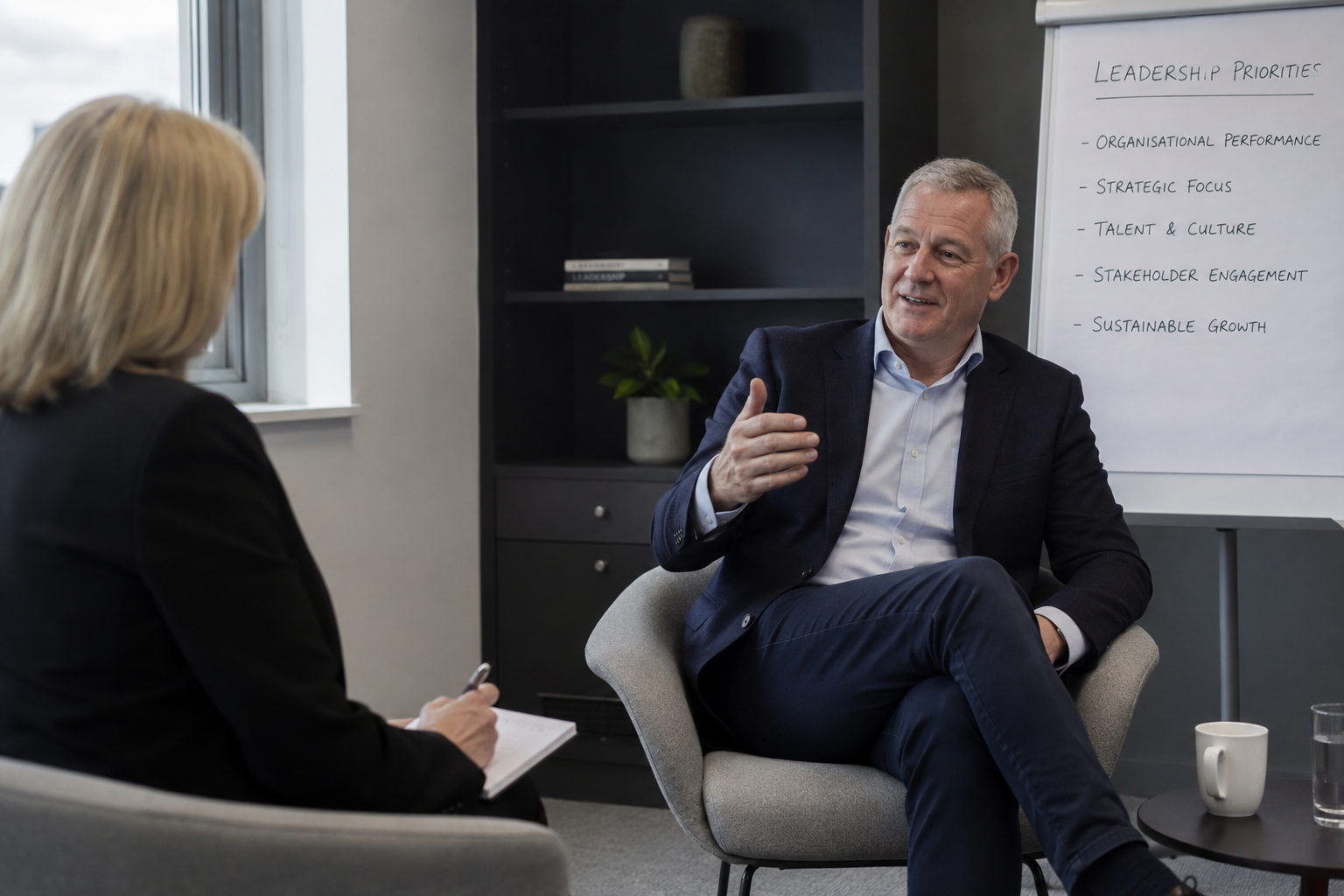
Leadership demands rarely remain static.
As organisations grow, responsibilities increase, stakeholder expectations evolve and leadership challenges become more complex. Executives are expected to guide strategy, influence culture, manage change and maintain performance, often while operating in highly demanding environments.
Corporate executive coaching is designed to support leaders during these periods of responsibility and transition. While coaching is sometimes associated with performance challenges, organisations increasingly use executive coaching as a proactive leadership development tool.
The question is not whether coaching is only needed when problems arise. More often, the question is whether coaching can help leaders perform more effectively as expectations continue to grow.
For a broader understanding of leadership development support, see our guide to Executive Coaching for Senior Leaders.
Leadership Transitions Often Create a Need for Coaching
One of the most common reasons organisations invest in executive coaching is leadership transition.
Moving into a more senior role often requires a significant shift in leadership approach. Executives who were previously successful through technical expertise or operational management may find themselves responsible for broader strategic decisions, stakeholder relationships and organisational influence.
These transitions can be challenging because the skills that contributed to previous success are not always sufficient for new responsibilities.
Executive coaching helps leaders adapt more effectively by strengthening self-awareness, decision-making and leadership capability during critical periods of change.
Leaders preparing for increased responsibility may also find our article Executive Coaching Ireland: What Should Leaders Expect? helpful.
Organisational Change Places Additional Demands on Leaders
Periods of organisational change frequently create uncertainty.
Mergers, acquisitions, restructuring initiatives, rapid growth and strategic transformation projects often require leaders to communicate clearly, maintain confidence and guide teams through unfamiliar situations. These circumstances can place significant pressure on even experienced executives.
Corporate executive coaching provides a confidential environment where leaders can evaluate challenges, explore options and strengthen their approach to managing change. This support often improves leadership effectiveness during periods when organisational stability is particularly important.
Coaching can therefore help leaders respond more effectively to both opportunities and challenges associated with change.

High Performers Also Benefit from Coaching
One of the biggest misconceptions surrounding executive coaching is that it is only for underperforming leaders.
In reality, many organisations invest in coaching for their strongest executives. High-performing leaders often face increasingly complex challenges and benefit from opportunities to refine their leadership approach.
Coaching allows executives to identify blind spots, strengthen communication and continue developing capabilities that support long-term success. This focus on continuous improvement is one reason coaching has become a common component of leadership development programmes.
Research from the Centre for Creative Leadership highlights the value of coaching in supporting leadership effectiveness, self-awareness and executive performance.
Coaching Supports Long-Term Leadership Development
The most effective coaching engagements extend beyond solving immediate challenges.
While coaching can help leaders address specific issues, its broader purpose is often to strengthen long-term leadership capability. Organisations that invest in executive development frequently recognise that leadership effectiveness influences culture, performance and strategic execution throughout the business.
Corporate executive coaching helps leaders continue growing as responsibilities evolve. This long-term perspective often delivers benefits that extend far beyond any single coaching engagement.
Executives interested in leadership development over time may also find our article Executive Coaching Dublin: Choosing the Right Advisor helpful.
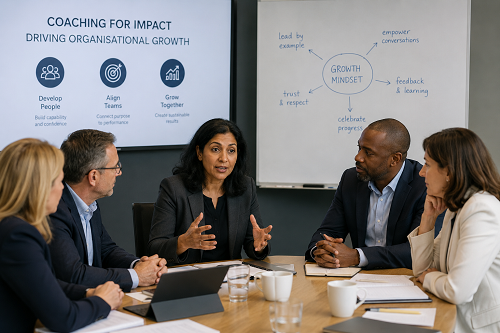
Final Thoughts
Corporate executive coaching is not reserved for leaders facing difficulties. It is increasingly used by organisations that recognise the importance of strong leadership in achieving sustainable success.
Leadership transitions, organisational change, increasing responsibility and long-term development goals can all create situations where coaching provides significant value. Through structured reflection, objective challenge and leadership development, coaching helps executives strengthen the capabilities required to lead effectively.
For many organisations, investing in executive coaching is ultimately an investment in leadership quality. As business environments become more complex, strong leadership remains one of the most important contributors to organisational performance and long-term success.
Need an Independent Perspective?
Leadership challenges often become more demanding as organisations grow. Executives are expected to make important decisions, influence stakeholders and lead teams through periods of uncertainty and change.
An experienced executive coach can provide confidential support, objective perspective and constructive challenge that helps leaders perform more effectively. The right coaching relationship can strengthen leadership capability while supporting both personal and organisational success.
Learn more about our Business Mentoring services and how they support senior leaders in improving leadership effectiveness, navigating change and achieving meaningful long-term development.
FREQUENTLY ASKED QUESTIONS
When is corporate executive coaching needed?
Corporate executive coaching is often needed during leadership transitions, organisational change, rapid business growth or succession planning. It can also support executives preparing for increased responsibilities, managing complex stakeholder relationships or improving leadership effectiveness. Coaching provides structured guidance, helping leaders navigate challenges with greater confidence, clarity and resilience.
Is executive coaching only for struggling leaders?
No. Executive coaching is frequently used by successful leaders seeking continued growth and improved performance. High-performing executives often use coaching to strengthen decision-making, communication, strategic thinking and leadership presence. Coaching supports ongoing development, helping capable leaders maximise their effectiveness and prepare for future leadership opportunities and challenges.
How does coaching help during organisational change?
Coaching helps leaders manage organisational change by providing a confidential space to evaluate challenges, clarify priorities and strengthen decision-making. It supports communication, stakeholder management and emotional resilience during periods of uncertainty. Effective coaching enables leaders to guide teams confidently while maintaining focus, stability and organisational performance.
What are the benefits of corporate executive coaching?
Corporate executive coaching can improve self-awareness, communication, leadership effectiveness and strategic thinking. It helps leaders make better decisions, build stronger relationships and manage organisational challenges more effectively. Coaching often enhances confidence, accountability and performance while supporting both individual leadership development and broader organisational success outcomes.
How long should executive coaching last?
The duration of executive coaching depends on the goals, challenges and development needs of the individual leader. Some coaching engagements last several months and focus on specific objectives, while others continue longer to support ongoing leadership growth, organisational change, succession planning or broader professional development initiatives.