
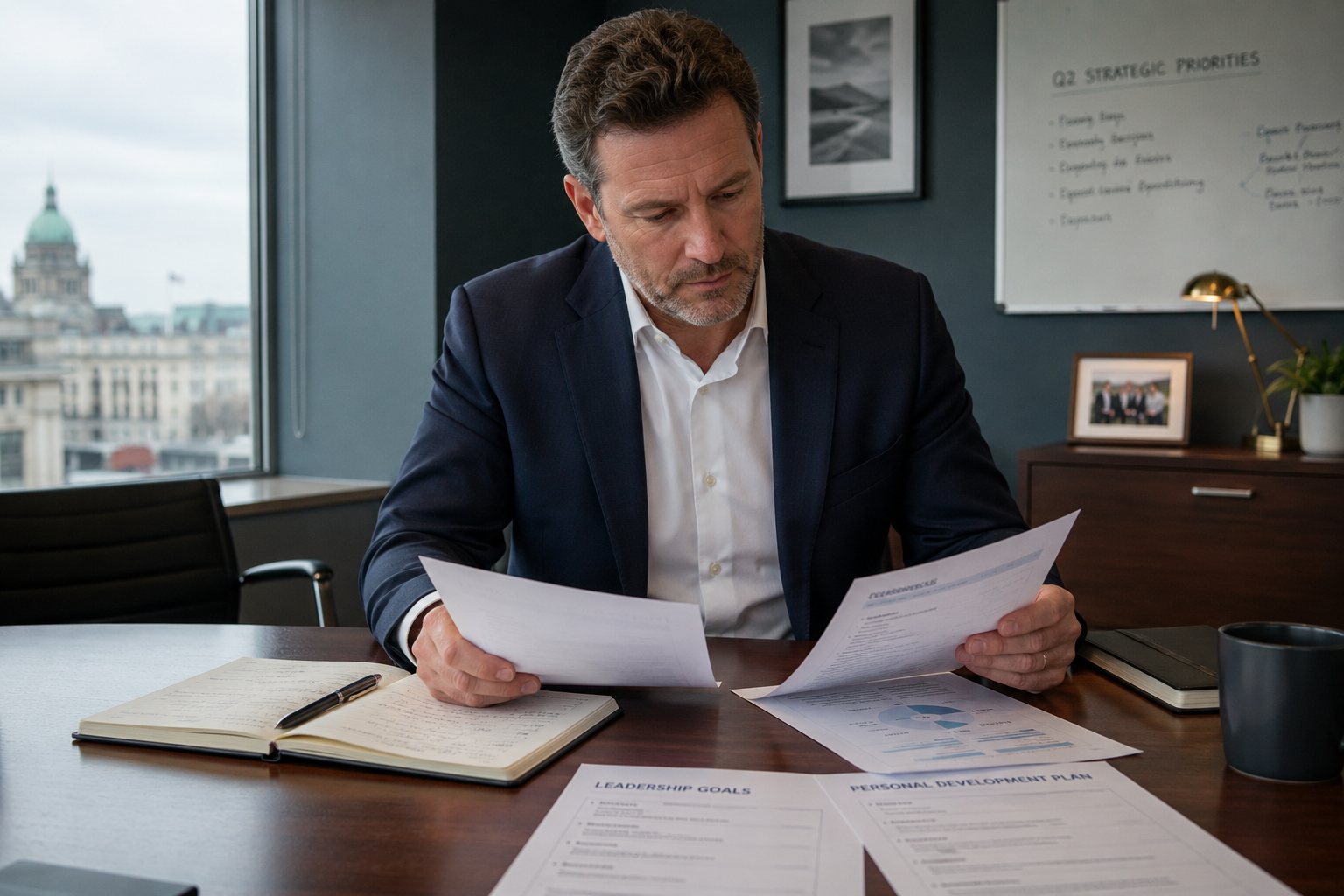
Leadership performance is often evaluated through business results.
Revenue growth, team productivity, strategic execution and organisational performance are all common measures of leadership effectiveness. While these outcomes are important, they are often influenced by factors that are less visible.
One of the most significant is personal development.
Leaders who invest in their own growth frequently improve their ability to communicate, make decisions, build relationships and navigate challenges. These improvements can have a direct impact on organisational performance because leadership behaviour influences culture, engagement and execution throughout the business.
Personal development is therefore not separate from leadership performance. It is one of the key drivers behind it.
For a broader understanding of leadership growth, see our guide to Personal Development for Business Leaders.
Leadership Performance Begins with Personal Growth
Every leader brings personal strengths, habits and behaviours into their role.
These characteristics influence how they respond to challenges, interact with others and make decisions. Leaders who actively invest in personal growth are often better equipped to recognise their limitations and build upon their strengths.
Personal development encourages continuous learning and reflection. It helps leaders identify areas where improvement can create a meaningful impact on performance.
As leaders grow, their ability to lead others often improves as well.
Individuals interested in the foundations of growth may also find our article What Is Personal Development? helpful.
Better Self-Awareness Improves Leadership
Self-awareness is one of the most valuable outcomes of personal development.
Leaders who understand their strengths, weaknesses and behavioural patterns are often more effective in managing relationships and responding to challenges. They are also more likely to recognise how their actions influence team performance.
Without self-awareness, leaders may unintentionally create obstacles that limit organisational effectiveness.
Personal development helps individuals develop a clearer understanding of themselves, allowing them to lead with greater authenticity and confidence.
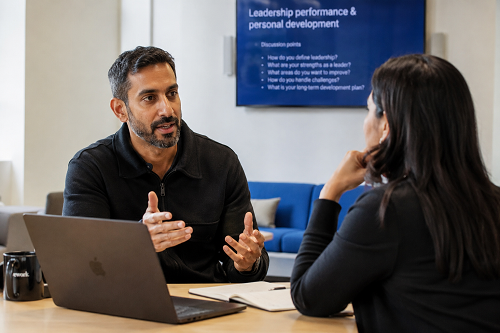
Development Strengthens Decision-Making
Leadership involves making decisions in uncertain and often challenging situations.
Personal development helps leaders strengthen critical thinking, emotional regulation and judgement. These capabilities improve the quality of decision-making because leaders are better able to evaluate options objectively and respond appropriately under pressure.
The ability to remain calm, think strategically and consider multiple perspectives becomes increasingly important as leadership responsibilities grow.
Leaders who invest in personal development are often more prepared to navigate complexity and uncertainty effectively.
Research from the Center for Creative Leadership highlights the relationship between self-development, leadership capability and long-term organisational performance.
Communication and Relationships Improve
Leadership is fundamentally about influencing people.
The ability to communicate clearly, build trust and foster productive relationships often determines how effectively a leader can execute strategy and inspire performance. Personal development frequently strengthens these capabilities.
As leaders become more self-aware and emotionally intelligent, they often communicate more effectively and respond more constructively to challenges. These improvements contribute to stronger teams and healthier organisational cultures.
Effective leadership is rarely achieved through technical expertise alone. Strong relationships remain essential.
Leaders seeking to strengthen interpersonal effectiveness may also find our article Communication Mastery for Leaders helpful.

Final Thoughts
Personal development and leadership performance are closely connected. Leaders who invest in their own growth often improve self-awareness, communication, decision-making and resilience, all of which contribute to stronger leadership outcomes.
While technical expertise remains important, leadership effectiveness depends heavily on personal capabilities and behaviours. Personal development helps strengthen these foundations and prepares leaders to navigate increasingly complex challenges.
For business leaders seeking sustained success, personal development should not be viewed as optional. It is a critical investment in long-term leadership performance.
Looking to Strengthen Your Leadership Performance?
The most effective leaders recognise that organisational growth often begins with personal growth. Improving leadership performance requires continuous development, reflection and a willingness to learn.
An experienced advisor can help identify opportunities for improvement, strengthen leadership capabilities and create a structured development plan aligned with your goals and responsibilities.
Learn more about our Private Advisory services and discover how we help business owners, founders and senior leaders enhance leadership performance and achieve meaningful long-term growth.
FREQUENTLY ASKED QUESTIONS
How does personal development improve leadership performance?
Personal development improves leadership performance by helping leaders strengthen essential skills such as self-awareness, communication, decision-making and emotional resilience. As leaders gain a deeper understanding of themselves and others, they become more effective at managing teams, handling challenges and creating positive workplace cultures. These improvements often lead to stronger organisational performance and more sustainable leadership success.
Why is self-awareness important for leaders?
Self-awareness is important because it helps leaders understand their strengths, weaknesses, behaviours and impact on others. Leaders who possess strong self-awareness are better equipped to manage emotions, adapt their leadership style and make informed decisions. This understanding also improves communication, builds trust and enables leaders to develop stronger relationships with employees, colleagues and stakeholders.
Can personal development improve decision-making?
Yes. Personal development helps leaders improve critical thinking, emotional intelligence and self-discipline, all of which contribute to better decision-making. By understanding their biases, managing emotions effectively and evaluating situations more objectively, leaders can make more balanced and strategic choices. These improvements often lead to better outcomes for both individuals and organisations.
Does personal development affect team performance?
Yes. Personal development can have a significant impact on team performance because leadership behaviour influences workplace culture and employee engagement. Leaders who communicate clearly, demonstrate emotional intelligence and build strong relationships often create environments where employees feel valued and motivated. This can improve collaboration, productivity, morale and overall team effectiveness.
Is personal development a long-term process?
Yes. Personal development is a continuous process that evolves throughout a leader’s career and personal life. As circumstances, responsibilities and goals change, new opportunities for growth emerge. Ongoing learning, reflection and skill development help leaders remain adaptable, effective and resilient. Consistent personal development supports long-term success, fulfilment and leadership excellence.