
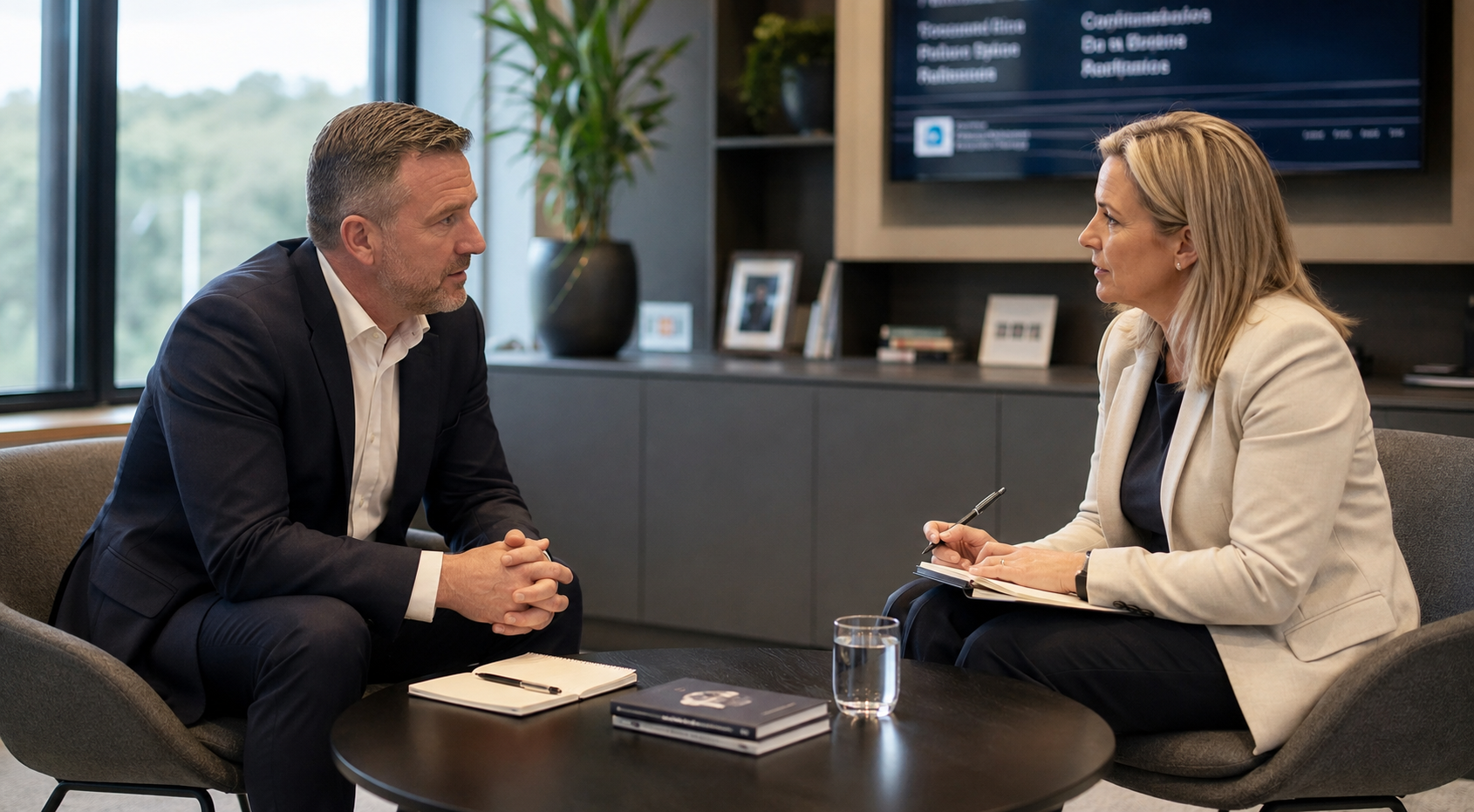
Leadership becomes increasingly demanding as responsibility grows.
Senior executives are expected to make high-stakes decisions, lead teams through change, manage stakeholder expectations and maintain organisational performance, often while operating under significant pressure. Despite these responsibilities, many leaders have limited opportunities to discuss challenges openly or receive objective feedback.
Executive coaching provides a structured process that helps leaders strengthen their thinking, improve decision-making and enhance leadership effectiveness. Rather than focusing on technical expertise, coaching focuses on how leaders lead, communicate, influence and perform.
For executives navigating growth, change or increasing organisational complexity, coaching can provide valuable perspective and support.
For a broader understanding of leadership development support, see our guide to Executive Coaching for Senior Leaders.
Executive Coaching Is About Leadership Development
One of the most common misconceptions about executive coaching is that it is only required when a leader is struggling.
In reality, coaching is often used by highly capable executives who want to improve performance, strengthen leadership capability and prepare for future responsibilities. Many organisations invest in coaching for senior leaders because they recognise the significant influence leadership has on organisational success.
Executive coaching helps leaders evaluate challenges, examine assumptions and develop greater awareness of how their actions affect others. These conversations often lead to improved judgement, stronger communication and more effective leadership behaviours.
The objective is not simply to solve immediate issues but to help leaders become more effective over the long term.
Executives exploring different forms of leadership support may also find our article Executive Business Coach vs Leadership Consultant helpful.
Coaching Creates Space for Strategic Thinking
Senior leaders spend much of their time responding to operational demands.
Meetings, stakeholder discussions, performance reviews and business challenges can leave little opportunity for reflection. As a result, executives sometimes find themselves reacting to situations rather than approaching them strategically.
Executive coaching creates dedicated time for structured thinking. Leaders are able to step back from daily pressures, explore important issues objectively and consider options before taking action.
This process often improves decision-making because executives gain greater clarity regarding priorities, risks and opportunities.

Leadership Challenges Evolve Over Time
The skills required to lead a small team are not always the same skills required to lead an organisation.
As executives progress into more senior positions, responsibilities often expand beyond operational management. Greater emphasis is placed on influence, communication, organisational culture and stakeholder management.
Executive coaching helps leaders adapt to these changing expectations. It supports the development of capabilities that become increasingly important at senior levels, including strategic leadership, executive presence and organisational influence.
Research from the Institute of Directors Ireland highlights the importance of continuous leadership development in supporting executive effectiveness and organisational performance.
Coaching Benefits Both Leaders and Organisations
Although coaching focuses on the individual leader, the benefits often extend throughout the organisation.
Stronger leadership can improve decision-making, increase accountability, strengthen communication and create greater alignment across teams. Leaders who develop greater self-awareness are often better equipped to motivate others, manage change and navigate complexity.
For this reason, executive coaching is frequently viewed as an investment in organisational performance rather than simply personal development.
Executives seeking to strengthen their influence may also find our article Executive Presence Development helpful.
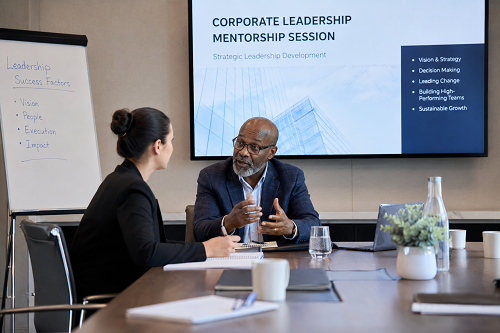
Final Thoughts
Executive coaching is designed to help senior leaders become more effective in increasingly demanding roles. Through structured reflection, objective challenge and leadership development, coaching helps executives strengthen the capabilities required to lead successfully.
As organisations become more complex, the quality of leadership often becomes a significant factor in business performance. Decision-making, communication, influence and strategic thinking all contribute to how effectively leaders navigate challenges and opportunities.
For many executives, coaching provides a valuable opportunity to step back from daily demands, evaluate important issues more objectively and continue developing as leaders. The result is often stronger leadership performance, greater confidence and improved organisational impact.
Need an Independent Perspective?
Leadership can be rewarding, but it can also be isolating. Senior executives often carry responsibilities that require careful judgement, strategic thinking and the ability to influence a wide range of stakeholders.
An experienced executive coach can provide objective perspective, constructive challenge and a confidential environment for exploring leadership challenges and opportunities. The goal is not to provide all the answers but to help leaders think more clearly and perform more effectively.
Learn more about our Business Mentoring services and how they support senior leaders in strengthening leadership capability, improving decision-making and achieving greater organisational impact.
FREQUENTLY ASKED QUESTIONS
What is executive coaching?
Executive coaching is a structured leadership development process designed to help senior leaders improve decision-making, communication, leadership effectiveness and overall performance. Through personalised coaching sessions, executives gain deeper self-awareness, develop stronger leadership skills and identify practical strategies to achieve professional growth, enhance organisational success and create lasting impact.
Who benefits from executive coaching?
Executive coaching benefits business owners, senior managers, directors and executives who want to strengthen their leadership capabilities and improve organisational impact. It supports leaders seeking personal growth, better performance and improved decision-making skills while helping them manage challenges, inspire teams and achieve strategic business goals more effectively.
Is executive coaching only for struggling leaders?
No. Executive coaching is not only for leaders facing challenges. Many successful and high-performing executives work with coaches to enhance their strengths, improve performance, prepare for greater responsibilities and continue developing their leadership skills. Coaching provides valuable insights that help leaders achieve continuous improvement and long-term professional growth.
How does executive coaching differ from consulting?
Consulting usually involves experts providing recommendations, solutions or specific advice to address business challenges. Executive coaching takes a different approach by helping leaders explore their own thinking, improve leadership behaviours, develop self-awareness and strengthen decision-making abilities to create effective and sustainable leadership outcomes.
What outcomes can leaders expect from executive coaching?
Leaders can expect improved confidence, stronger communication skills, better decision-making, enhanced executive presence and increased organisational effectiveness. Executive coaching helps leaders understand their strengths, overcome barriers, develop effective leadership approaches and create positive changes that contribute to personal success and improved team or organisational performance.